

How to Start a Vinyl Collection Without the Guesswork
· 10 min read
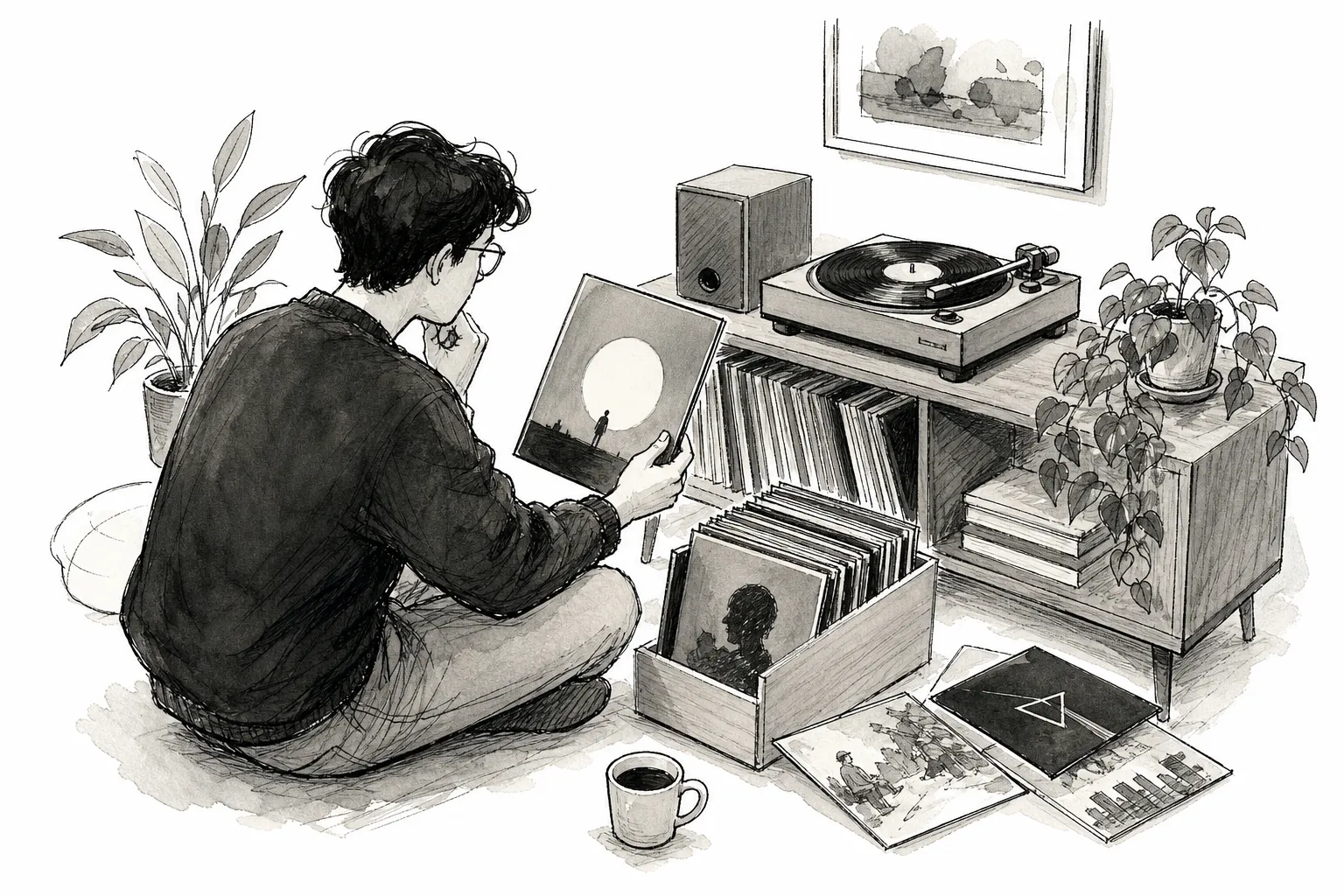
If you're wondering how to start a vinyl collection, the answer is simpler than the forums make it look. You drop the needle, and suddenly the music sounds warmer, wider, and more alive than anything you've heard through a streaming app. It doesn't sound like a file playing. It sounds like a room. That feeling is subjective, sure, but ask any collector and they'll tell you it never gets old.
Starting a vinyl record collection feels exciting but also a little paralyzing. There are dozens of turntable brands, conflicting opinions on every forum, and thousands of records to choose from before you even know what you like. The good news: it doesn't have to be complicated. This guide walks you through the gear, where to find quality records, which albums are actually worth owning first, and how to keep them in great shape for years. And once your collection starts growing, a free app called VinylDeck turns the cataloging part into something you'll actually look forward to, but more on that later.
The gear you actually need to start spinning
How to start a vinyl collection: choosing your first turntable without overspending
Three practical budget tiers cover most beginners. Under $150, the Audio-Technica AT-LP60X is the gold standard for absolute beginners. It's fully automatic, meaning you press a button and the tonearm does the work. No fussing with tracking weight, no manual cueing required. It's reliable, sounds great for the price, and won't damage your records with a miscalibrated setup.
If you're willing to spend closer to $300, the Sony PS-LX3BT adds Bluetooth connectivity so you can pair it wirelessly with a speaker and skip the tangle of cables. That simplicity is genuinely useful when you're still figuring out your setup. For the collector who already knows vinyl is a long-term commitment, the Rega Planar PL1 (typically under $600) is a real audiophile jump: better sound, better build, and room to upgrade the cartridge later. That said, start with the AT-LP60X. There's no reason to over-invest before you know the hobby sticks. For curated budget picks and specific under-$100 options, see a roundup of the best turntables under $100.
The accessories that actually matter
A turntable is just the beginning. A carbon fiber record brush belongs in every setup: use it before every single play to lift surface dust before it drags through the grooves. This one habit is among the most effective routine steps you can take to protect both your records and your stylus.
Beyond the brush, replace the flimsy paper sleeves that most records come with. Polyethylene or polypropylene inner sleeves don't shed paper fibers into the grooves, and they reduce static buildup that makes records sound scratchy. If you eventually upgrade past the AT-LP60X, a tracking force gauge helps you calibrate stylus pressure correctly, and a cartridge like the Ortofon 2M Red makes a noticeable difference in both sound clarity and how gently the needle reads the groove. If you want to compare phono cartridge options before buying, there are good buyer guides that explain compliance, tracking force, and stylus types. Keep your starting list tight, a brush and quality inner sleeves get you most of the way there. Add the rest as you go.
Where to find quality records without getting burned
Online sources: Discogs, eBay, and what each is good for
Discogs is the closest thing vinyl has to a dedicated marketplace with real standards. Sellers list pressing details, condition grades, and specific defects before you buy. For a beginner, that's enormously helpful. When you read a Discogs listing, check the media grade (the record itself), the sleeve grade (the cover), and the seller's feedback score. A seller with hundreds of completed transactions and strong feedback is almost always reliable.
eBay casts a wider net and can surface surprisingly cheap finds, but condition descriptions are less standardized and listings vary wildly in quality. A useful tactic: search by exact catalog number and filter by "used" to narrow results and spot sellers who know what they're listing. Use eBay for bargain hunting when you're after something specific at a low price, and use Discogs when consistency matters. Both platforms reward patience and checking seller history before you commit. For a broader look at where to shop for vinyl records online, wired has a solid roundup of reputable online stores and marketplaces.
Local record shops and record fairs: why they're worth the trip
Local shops offer something no website can: a knowledgeable person who can hold a record up to the light and tell you exactly what you're getting. Use Google Maps or the Discogs store locator to find shops near you. Some independent stores professionally grade and clean their used inventory before selling it, which takes much of the guesswork out of condition.
Record fairs, often listed through estate sale sites or local music communities, can turn up unique finds and occasionally better prices depending on the sellers. Buying in person also means you inspect the record before spending a dollar. For a beginner who's still learning what "VG+" actually looks like on a pressing, that hands-on evaluation is worth more than the shipping savings from buying online.
Which albums are actually worth buying first
Rock and pop records that make vinyl sound like itself
Certain albums were practically made for this format. Ask ten vinyl collectors for a starter recommendation and Fleetwood Mac's Rumours shows up on nine of their lists. The production is warm, layered, and immediate in a way that digital streaming genuinely doesn't replicate. Pink Floyd's The Dark Side of the Moon demonstrates vinyl's ability to handle complex, textured arrangements without losing detail.
For pop with real dynamic range, Michael Jackson's Thriller and Paul Simon's Graceland both reward close listening on a well-set-up system. The advice that holds across all of these: pick two or three that already mean something to you personally. A record you love will teach you more about the format than any "correct" starter list ever will. If you want a quick curated starter list, see a helpful guide to the best vinyl records to collect for beginners.
Jazz and beyond: records that reward close listening
Miles Davis's Kind of Blue is the single most recommended jazz album for beginners, and for good reason. It's relaxed, deeply recorded, and showcases what a well-pressed record sounds like when everything in the chain is set up properly. If you enjoy it, John Coltrane's A Love Supreme is the natural next step.
Marvin Gaye's What's Going On bridges soul and jazz beautifully for listeners who want something with more momentum and emotional weight. For classical, Vivaldi's The Four Seasons on an audiophile pressing rewards a quiet room and focused listening. The broader point: explore genres you already love rather than feeling obligated to build a "correct" library. Curiosity always beats obligation in this hobby.
Cleaning and storing vinyl so it lasts for decades
A simple cleaning routine before every play
The rule is dry before wet. Always brush with a carbon fiber brush first, moving lightly along the grooves to lift surface dust before any liquid touches the record. Trust the process on this one, never wet-clean a dusty record, because applying fluid to a dirty surface pushes grime deeper into the grooves instead of removing it.
For deeper cleaning, apply a record cleaning fluid to a microfiber cloth (never directly onto the label) and rotate the record gently through the grooves. Rinse with distilled water only, since tap water leaves mineral deposits that create a thin residue in the grooves. Let the record dry completely before playing. A dirty needle dragging through a dusty groove accelerates wear on both the stylus and the vinyl itself, so a consistent pre-play routine is the single biggest thing you can do to extend the life of your collection.
How to store records so they don't warp or mold
Storage is simpler than most beginners expect. Always store records vertically inside their inner sleeves. Stacking them horizontally creates uneven pressure that causes warping over time. Keep them away from direct sunlight, heat sources, and damp spaces like unfinished basements, where mold can grow inside the sleeve and genuinely damage the grooves.
Anti-static inner sleeves, the poly-lined kind, reduce the static buildup that makes records sound gritty and attracts dust between plays. For shelving, look for sturdy units sized to fit LP spines upright; square-compartment shelving popular in the collector community works well because the cubbies keep records from leaning. You don't need a dedicated collection room. You just need vertical storage in a stable environment.
Tracking your collection before it gets out of hand
Why starting a catalog early saves a lot of headaches
After collecting a few dozen records, most people find they start losing track of what they own. Duplicates happen. Wishlists blur together. Records that felt unforgettable at the shop become mystery titles six months later. Starting a simple catalog from the beginning, even just title, artist, pressing year, and condition, fixes this before it becomes a real problem.
This habit also pays off as the collection grows and certain pressings start appreciating in value or sentimental weight. Knowing what you own, and what condition it's in, is the foundation of a collection that's actually enjoyable to dig through rather than overwhelming to look at.
How VinylDeck turns cataloging into something you actually want to do
Rather than a spreadsheet or a generic notes app, VinylDeck transforms each record you add to your library into a collectible card with a rarity grade drawn from Discogs market data. For a beginner, that's genuinely educational. Adding a record triggers a pack-reveal mechanic that shows whether your pressing is Common, Rare, or something closer to a Grail, and explains why, based on have/want ratios from the Discogs marketplace. You learn what pressing scarcity actually means without having to research it separately, read more about how to tell if a vinyl record is rare (and what it's actually worth).
The achievement system rewards early milestones: your first 10 records, your first spin logged, your first Rare pull. Those small wins matter during the early weeks when the habit is still forming. Rare and above cards get holo-foil visual effects in the card binder, which makes browsing your collection genuinely fun. VinylDeck is free, uses a simple email magic link to get started, and connects directly to Discogs for anyone who already has a library there. If you're starting from zero, it grows with you from your very first record.
How to start a vinyl collection: start small, stay consistent, enjoy the hunt
Building a vinyl record collection doesn't require expertise or a big budget. Get a reliable turntable, grab a few records that already mean something to you, learn the basic cleaning routine, and start cataloging from day one. The hobby grows naturally from those small foundations. If you want a step-by-step plan tailored for beginners, see our full guide on how to start a vinyl collection in 2026 without wasting money.
How you start a vinyl collection matters less than the habits you build early. A consistent pre-play brush and vertically stored records will do more for your collection than any gear upgrade. A catalog you actually keep up with separates a collection you're proud of from a pile of warped records in a damp corner. The rare pressings, the audiophile gear, the deep genre rabbit holes, those come on their own timeline.
The best record in any collection is always the next one. For more tips, lists, and long-form advice, check out the Blog · VinylDeck.